$99 Limited Emergencies Exam*
*For uninsured New Patients only
Comfort Comes First: Root Canal Services at Rugby Dental Arts in Charlottesville
At Rugby Dental Arts, we understand that a visit to the dentist can sometimes feel intimidating, especially when you need procedures like a root canal. However, there is no need to worry. With our commitment to providing comfortable, personalised care, we ensure that you receive the treatment you need in an environment where your comfort is our top priority. Whether you’re a first-time visitor or a regular patient, our team makes sure you feel relaxed throughout the entire process.
What is a Root Canal?
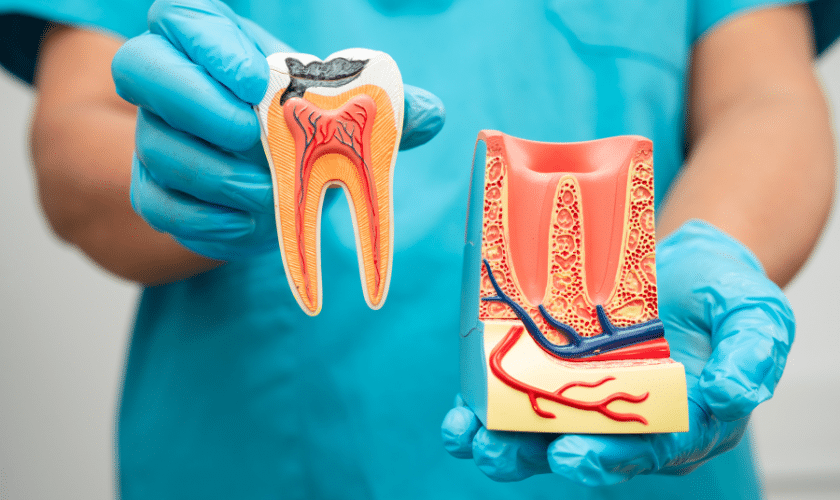
A root canal is a dental procedure to treat infection at the centre of a tooth (the pulp). It becomes necessary when a cavity or injury damages the tooth’s pulp, leading to infection or severe decay. Many people associate root canal treatments with discomfort, but advancements in dental technology and techniques have made this treatment much more comfortable than in the past.
At Rugby Dental Arts in Charlottesville, our goal is to help you understand why a root canal may be the best option for preserving your natural tooth and preventing more severe dental issues down the road.
Why Comfort Is Key in Root Canal Treatment
At Rugby Dental Arts, comfort comes first. We understand that the idea of a root canal can make many patients anxious, which is why we strive to offer a calm, reassuring environment for every patient. From the moment you walk through our door, our friendly staff is ready to ensure you feel at ease.
Here are a few reasons why comfort is our priority during root canal treatment:
- Gentle, Careful Technique: We take the time to ensure that every step of the procedure is performed with precision, reducing the risk of discomfort.
- State-of-the-Art Technology: Using the latest tools and technology, we can perform procedures more efficiently, minimising your time in the chair and discomfort.
- Anxiety Management: We offer various options to help manage dental anxiety, so you can relax and feel confident about your treatment.
The Root Canal Process: What to Expect
Root canal procedures can vary depending on the severity of the infection, but the process typically follows these steps:
- Consultation and Diagnosis
Before starting the procedure, our team will conduct a thorough examination to assess the extent of the damage to your tooth. X-rays will help us determine whether a root canal is necessary. We’ll discuss your treatment options and answer any questions you may have to ensure you’re comfortable with the process. - Local Anesthesia
To ensure you don’t feel any pain during the procedure, local anaesthesia will be applied to the area surrounding the affected tooth. You will be awake during the procedure, but you won’t feel any discomfort or pain. - Cleaning the Pulp
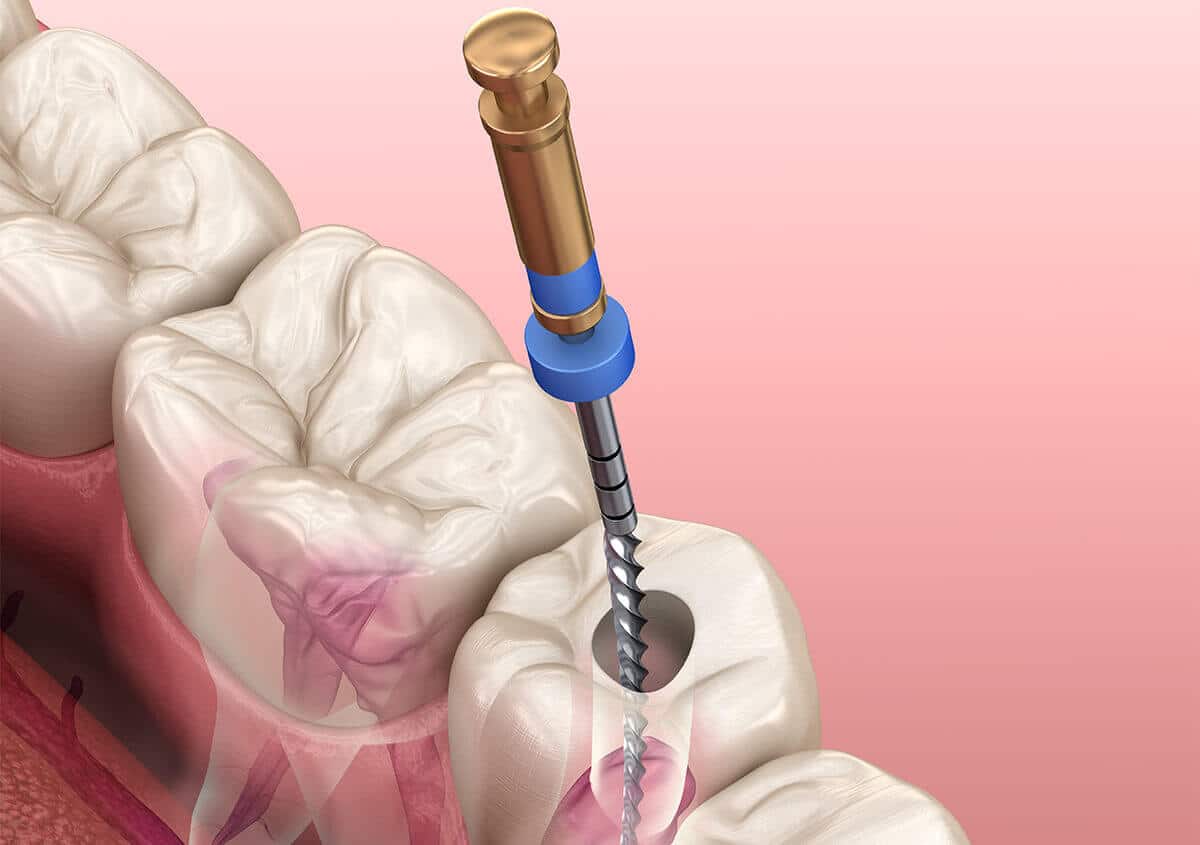
The next step is to remove the infected or damaged pulp from inside the tooth. This part of the process is crucial in eliminating the infection and preventing further damage to the tooth. Our dentists use advanced instruments to carefully clean and shape the canal. - Filling the Tooth
Once the pulp has been removed, the empty canal is thoroughly cleaned and sealed with a special filling material to prevent future infections. If necessary, a temporary filling will be placed to protect the area while the permanent filling is being prepared. - Restoration
After the root canal is complete, your dentist will discuss options for restoring the tooth. In most cases, a crown is recommended to provide extra protection and ensure the tooth functions properly. Crowns are customised to match the shape and colour of your natural teeth, so they blend seamlessly with your smile.
Signs You Might Need a Root Canal
Several warning signs may indicate the need for a root canal. If you experience any of the following symptoms, it’s essential to schedule a consultation with us:
- Persistent Tooth Pain: A dull ache or sharp pain, especially when chewing or applying pressure to the affected tooth, can indicate an issue with the tooth pulp.
- Swollen or Tender Gums: If the gums around a tooth become swollen or tender, it may indicate an abscess.
- Discolouration: A tooth that becomes discoloured, particularly a darker shade, may be a sign that the tooth pulp is damaged.
- Sensitivity: Prolonged sensitivity to hot or cold, especially when the sensation lingers after the stimulus is removed, can be another indicator that a root canal is needed.
Benefits of Root Canal Treatment
Choosing root canal therapy has several benefits, especially when it comes to maintaining your natural smile and preventing further dental complications:
- Preserving Your Natural Tooth: A root canal allows you to keep your original tooth, avoiding the need for extraction and the complications that can arise from tooth loss.
- Prevents Infection from Spreading: By removing the infected pulp and sealing the tooth, a root canal helps prevent the tooth abscess from spreading to other parts of your mouth.
- Relieves Pain: Although it may sound intimidating, a root canal actually relieves the pain caused by an infected tooth. Once the pulp is removed, the source of your discomfort is eliminated.
- Long-Term Solution: With proper care, a tooth treated with a root canal can last for many years, providing a durable and functional tooth that blends with your smile.
At Rugby Dental Arts, we are committed to providing our Charlottesville patients with the highest level of care and comfort. If you’re experiencing tooth pain or discomfort, don’t wait. Book your root canal consultation today and experience how we can help restore your smile.
FAQs
Q1: Is a root canal painful?
No, root canal treatments are not typically painful. Thanks to modern technology and anaesthesia, most patients report feeling little to no discomfort during the procedure. Any discomfort following the procedure can generally be managed with over-the-counter pain relievers.
Q2: How long does a root canal take?
A root canal typically takes one to two hours, depending on the complexity of the procedure. Some patients may require more than one visit, especially if the infection is severe.
Q3: How long will the recovery take after a root canal?
Recovery times vary from person to person, but most patients experience minimal downtime. You may feel some soreness or tenderness in the treated area for a few days, but this usually resolves quickly.
Q4: Can I return to work after a root canal?
In most cases, you can return to work or resume normal activities the same day as your procedure. We recommend avoiding chewing on the treated tooth until it is fully restored with a crown.
Q5: Does insurance cover root canal treatments?
Root canal treatments are often covered by dental insurance, but coverage can vary. We recommend checking with your insurance provider and discussing your coverage options with our office.