
$99 Limited Emergencies Exam*
*For uninsured New Patients only
Dentures in Charlottesville, VA
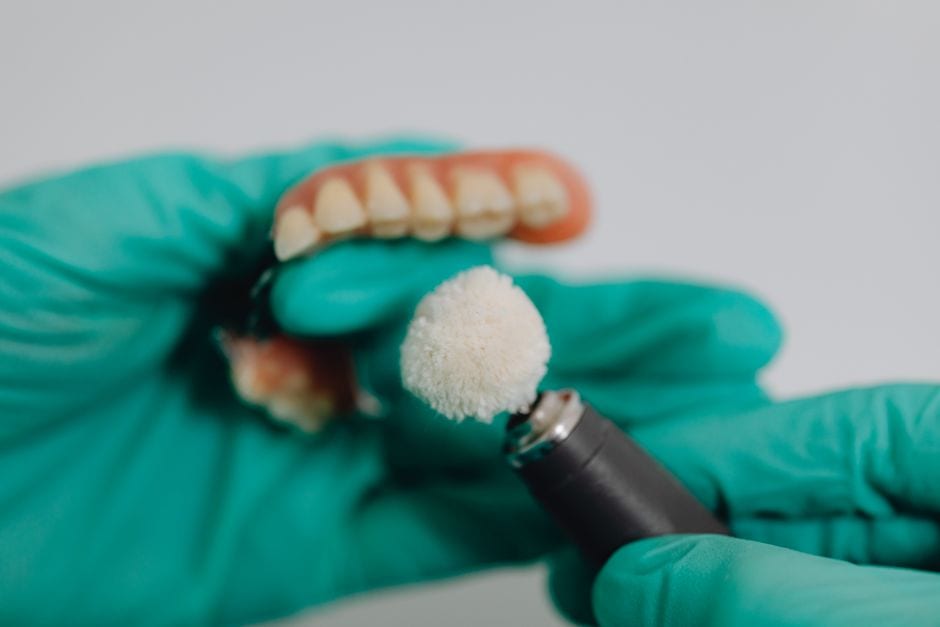
Getting new dentures is a life-changing step. For patients in Pantops and the broader Charlottesville area, understanding your first weeks with dentures — what to expect and how to adapt — makes all the difference. The adjustment period is real, but it is also completely manageable. At Rugby Dental Arts, Dr. Naveen Chennupati guides patients through every stage of this transition with honest, supportive care.
Why the First Weeks With Dentures Feel Different
Your mouth is remarkably sensitive. Even a well-fitted denture introduces a foreign object your brain and muscles do not yet recognize. During the first few days, you may notice increased saliva production. This is your mouth responding to something new — it settles down quickly.
Your cheeks, tongue, and jaw muscles must learn a new coordination pattern. This takes time and practice. Many patients in Pantops feel surprised by how much adjustment is involved. Knowing this upfront helps you stay patient with the process.
Minor slipping or shifting is also normal in the early weeks. Your gum tissue may shrink slightly as it heals after extractions. This can affect fit temporarily. Dr. Chennupati will schedule follow-up visits to make adjustments as needed.
Speech Changes and How to Adapt in Pantops
One of the most common concerns during your first weeks with dentures is speech. Words that involve the letters S, F, and TH can feel awkward at first. Your tongue has to find new positions around the denture surface. This is a temporary challenge, not a permanent problem.
Reading aloud is one of the most effective exercises you can do. Spend ten to fifteen minutes each day reading a book, a magazine, or even this article out loud. Your muscles adapt faster with deliberate practice. Most patients notice significant improvement within two to three weeks.
Singing along to familiar songs is another helpful technique. It feels low-pressure and works the same muscle groups. If you feel self-conscious, practice at home first. Confidence builds naturally as your speech becomes clearer each day.
Managing Sore Spots and Discomfort
Some soreness is expected during the denture adjustment period. Pressure points develop where the denture base contacts your gum tissue. These spots can feel tender, especially after longer wear periods. This does not mean something is wrong with your dentures.
Here are practical tips for managing discomfort in your first weeks:
- Rinse with warm saltwater two to three times daily to soothe irritated tissue
- Remove your dentures for at least six to eight hours each night to give gums a rest
- Avoid foods with sharp edges, like chips or crusty bread, during the first week
- Apply a small amount of denture adhesive if your dentist recommends it for added stability
- Contact Dr. Chennupati if a sore spot does not improve within a few days
Never try to adjust your dentures yourself with household tools. This can damage the acrylic and worsen the fit. If pain persists beyond a day or two, call Rugby Dental Arts. A simple chairside adjustment often resolves the issue quickly.
Persistent or severe pain is not something to tolerate silently. In some cases, it may signal a need for prompt attention. Our Emergency Dentistry services are available for patients who experience unexpected discomfort that cannot wait for a routine visit.
Eating With New Dentures: A Step-by-Step Approach
Eating is the area where most new denture wearers need the most patience. Your bite force will feel different at first. Chewing efficiency improves steadily over the first few weeks. Starting with the right foods protects your gums and builds confidence.
Follow this progression for the best results:
- Week one: Stick to soft foods only — yogurt, mashed potatoes, scrambled eggs, smoothies, and well-cooked vegetables
- Week two: Introduce slightly firmer textures — tender fish, soft pasta, ripe bananas, and cooked beans
- Week three: Begin adding more variety — soft sandwiches, ground meat, and cooked grains
- Week four and beyond: Gradually reintroduce most foods as your confidence and muscle coordination improve
Chew on both sides of your mouth simultaneously. This distributes pressure evenly and prevents the denture from tipping. Cut food into smaller pieces than you normally would. These small habits become second nature over time.
Sticky foods like caramel and hard items like raw carrots remain challenging for many denture wearers long-term. You do not have to avoid them forever, but introduce them slowly and thoughtfully.
Building Confidence and Long-Term Success
The adjustment period for dentures typically spans four to eight weeks. Some patients adapt faster, others take a little longer. Both timelines are completely normal. Your overall oral health, age, and bone structure all play a role.
Maintaining your dentures properly supports long-term success. Here are key habits to establish early:
- Brush your dentures daily with a soft denture brush and non-abrasive cleaner
- Soak them overnight in a denture solution or plain water to prevent warping
- Rinse after every meal to remove food particles
- Store them safely in a case when not in use to avoid accidental damage
- Attend all scheduled follow-up appointments at Rugby Dental Arts
Your oral health does not stop mattering just because you have dentures. Gum tissue, jawbone health, and the fit of your denture all require ongoing monitoring. Dr. Chennupati also offers Cosmetic Dentistry solutions that complement your smile for patients interested in exploring additional aesthetic options alongside their restorative care.
Rugby Dental Arts serves the Pantops community and surrounding Charlottesville neighborhoods with compassionate, personalized dental care. We understand that starting life with dentures brings questions and sometimes anxiety. Our team is here to make that transition as smooth as possible for every patient.
If you are beginning your denture journey or struggling with your current fit, we are ready to help. Book Now to schedule your appointment with our team.
Frequently Asked Questions
How long does it take to get used to wearing dentures?
Most patients adapt to dentures within four to eight weeks. Speech and eating typically improve noticeably within the first two to three weeks. The timeline varies depending on individual factors like bone structure and overall oral health. Consistent wear and practice speed up the process significantly.
Is it normal to have sore spots with new dentures?
Yes, mild soreness is a normal part of the adjustment period. Pressure points form where the denture contacts gum tissue. Most sore spots resolve after a chairside adjustment by your dentist. If pain persists beyond a few days, contact Rugby Dental Arts for an evaluation.
Can I sleep with my dentures in during the first weeks?
Most dentists recommend removing dentures for at least six to eight hours each night, even during the adjustment period. This gives your gum tissue time to rest and recover from daily pressure. It also helps maintain the health of the underlying bone and tissue long-term. Dr. Chennupati will give you personalized guidance at your fitting appointment.
Why does my speech sound different with new dentures?
Dentures change the surface your tongue contacts when forming sounds. This makes certain letters and sounds feel unfamiliar at first. Reading aloud and practicing conversation daily helps your muscles adapt. Most patients notice clear improvement within two to three weeks of consistent wear.
How often should I visit the dentist after getting new dentures?
Follow-up visits are important in the first few months after getting dentures. Rugby Dental Arts typically schedules check-ins to assess fit, address sore spots, and monitor gum health. After the initial adjustment period, annual visits are recommended. Regular appointments help catch fit changes early before they cause discomfort.