
$99 Limited Emergencies Exam*
*For uninsured New Patients only
Teeth Whitening Sensitivity: Why It Happens and How to Stop It
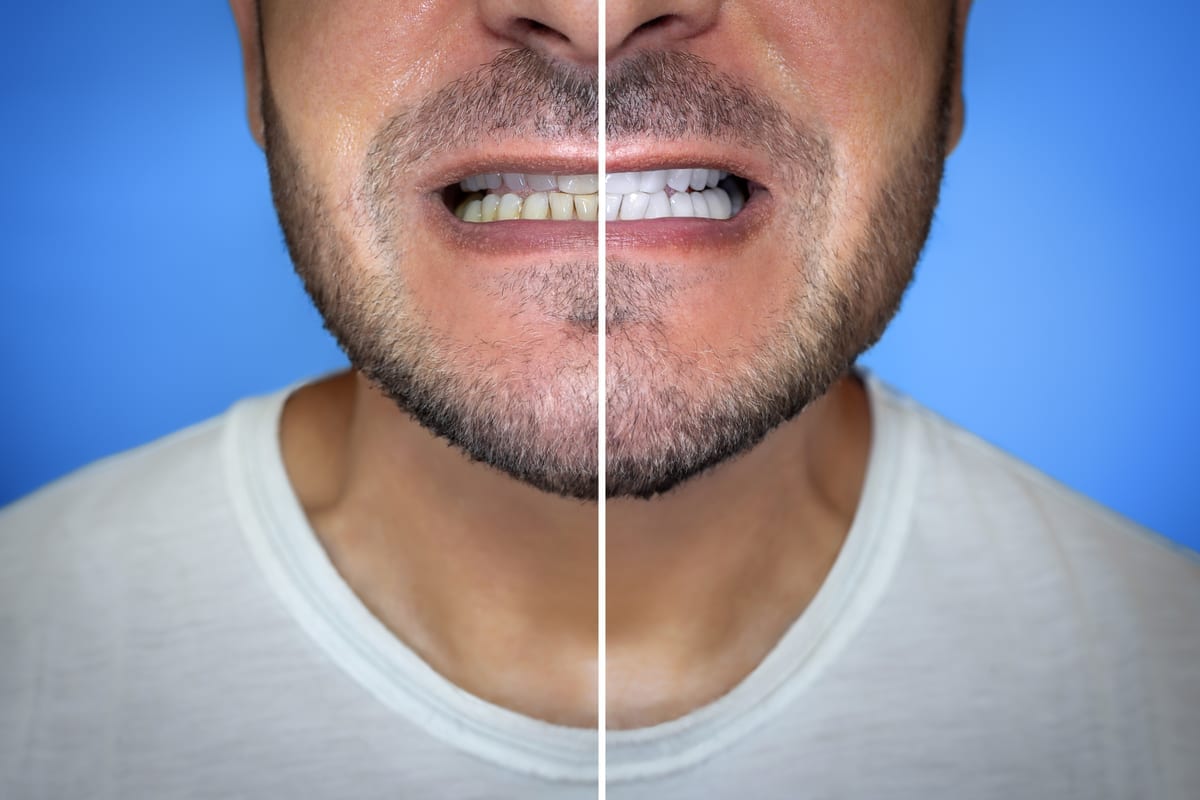
Teeth whitening sensitivity is one of the most common concerns patients share with us at Rugby Dental Arts. If you have ever tried whitening treatments and felt that sharp, temporary zing in your teeth, you are not alone. Understanding teeth whitening sensitivity — why it happens and how to stop it in Charlottesville — is the first step toward a brighter, more comfortable smile. Dr. Naveen Chennupati and our team are here to walk you through everything you need to know.
Why Does Teeth Whitening Cause Sensitivity?
Whitening products use peroxide-based agents to break down stains inside the tooth enamel. These agents work by opening tiny pores in the enamel called dentinal tubules. When those tubules are open, external temperatures and stimuli reach the nerve more easily. That is what creates the familiar zinging or aching sensation during or after whitening.
The degree of sensitivity varies from person to person. Some patients feel only mild discomfort that fades within hours. Others experience sharper sensitivity that lasts a day or two. Several factors influence how much sensitivity you feel, including your baseline enamel thickness, existing gum recession, and the concentration of the whitening gel used.
It is also important to know that sensitivity from whitening is usually temporary. It does not indicate damage to your teeth. However, if sensitivity feels severe or lasts longer than 48 hours, it is worth checking in with your dentist right away.
Common Triggers That Make Whitening Sensitivity Worse
Certain habits and conditions can increase your sensitivity during a whitening course. Being aware of these triggers helps you manage your comfort levels more effectively.
- Cold or hot beverages — Temperature changes irritate open dentinal tubules quickly.
- Acidic foods and drinks — Citrus, vinegar, and soda temporarily soften enamel and worsen sensitivity.
- Over-whitening — Using whitening products more frequently than recommended inflames the nerve.
- Pre-existing tooth decay — Cavities allow whitening gel to penetrate deeper, intensifying discomfort.
- Thin or worn enamel — Less enamel means less protection between the gel and your nerve.
- Gum recession — Exposed root surfaces are not covered by enamel, making them far more sensitive.
Identifying your personal triggers before you begin whitening gives Dr. Chennupati valuable information. That information helps him tailor a treatment plan that delivers results while keeping you comfortable throughout the process.
How Dr. Chennupati Minimizes Sensitivity During Professional Whitening in Charlottesville
Choosing professional whitening at Rugby Dental Arts is one of the most effective ways to reduce sensitivity risk. Dr. Chennupati takes a thorough approach before recommending any whitening treatment. He evaluates your enamel health, checks for existing decay, and reviews your gum health first. This ensures you are a good candidate before any whitening begins.
Professional whitening also uses carefully controlled gel concentrations. Unlike many over-the-counter products, in-office treatments allow the dentist to adjust the strength based on your individual needs. Desensitizing agents containing potassium nitrate or fluoride are often applied before, during, or after the whitening session. These agents help block the dentinal tubules and calm the nerve pathway.
Custom-fitted whitening trays are another major advantage of professional treatment. Ill-fitting store-bought trays can allow gel to leak onto the gums, causing tissue irritation and additional sensitivity. A precisely fitted tray keeps the gel exactly where it belongs — on the tooth surface, away from soft tissue.
If you are exploring your options, our Cosmetic Dentistry Charlottesville page outlines the full range of smile-enhancing treatments available at our practice.
What You Can Do at Home to Reduce Whitening Sensitivity
Even with the best professional care, some patients still experience mild sensitivity at home. Fortunately, there are several practical steps you can take to ease discomfort and protect your teeth during the whitening process.
- Switch to a sensitivity toothpaste — Products containing potassium nitrate or stannous fluoride help block pain signals. Start using one at least two weeks before whitening.
- Shorten your whitening sessions — Wearing your whitening tray for shorter intervals reduces nerve stimulation.
- Take breaks between sessions — Spacing out treatments gives your teeth time to recover and remineralize.
- Avoid temperature extremes — Skip very hot coffee or ice-cold drinks in the 24 hours following a whitening session.
- Rinse with a fluoride mouthwash — Fluoride strengthens enamel and helps close open tubules after whitening.
- Stay away from acidic foods — Give your enamel a break from citrus, vinegar dressings, and carbonated drinks during treatment.
These home strategies pair well with the professional guidance you receive from Dr. Chennupati. Combining both approaches gives you the best chance of achieving a whiter smile without unnecessary discomfort.
When Sensitivity Might Signal Something More Serious
Most whitening sensitivity resolves on its own within 24 to 48 hours. However, some types of tooth sensitivity are not related to whitening at all. They may signal an underlying issue that needs prompt attention.
Persistent sensitivity to temperature, pain when biting, or discomfort that lingers for more than a few days could indicate a cracked tooth, untreated decay, or an issue with the tooth’s inner pulp. These symptoms should never be ignored. Continuing to whiten over an unhealthy tooth can worsen the problem significantly.
If you are experiencing sudden or unexplained tooth pain, our team offers Emergency Dentistry Charlottesville services to help you get evaluated quickly and comfortably. Identifying the source of the pain early leads to better outcomes and a simpler treatment process.
Is Professional Whitening Right for You?
Not every patient is an ideal candidate for teeth whitening. Patients with severe enamel erosion, active gum disease, or certain types of tooth discoloration may need alternative cosmetic options. Crowns and veneers, for example, do not respond to whitening agents and may need to be replaced separately if the surrounding teeth are whitened.
A consultation with Dr. Chennupati helps clarify the best approach for your specific smile. He will review your dental history, examine your teeth, and explain which whitening method — if any — is most appropriate for your needs. The goal is always to give you a result you love without compromising your long-term dental health.
At Rugby Dental Arts in Charlottesville, we believe a brighter smile should feel as good as it looks. Sensitivity does not have to be the price you pay for whiter teeth. With the right preparation and professional support, most patients achieve excellent results comfortably and confidently. Book Now to schedule your appointment with our team.
Frequently Asked Questions
Is teeth whitening sensitivity permanent?
No, teeth whitening sensitivity is almost always temporary. Most patients find that any discomfort fades within 24 to 48 hours after a whitening session. Using a desensitizing toothpaste before and after treatment can help speed up relief. If sensitivity persists beyond 48 hours, contact Dr. Chennupati to rule out any underlying dental concerns.
Can I whiten my teeth if I already have sensitive teeth?
Yes, many patients with naturally sensitive teeth can still safely whiten. Dr. Chennupati will evaluate your enamel and gum health before recommending a whitening approach. He may suggest a lower-concentration gel, shorter session times, or pre-treatment with a desensitizing agent. A customized plan makes whitening manageable even for patients who are prone to sensitivity.
Are over-the-counter whitening strips safe to use?
Over-the-counter strips can be effective for mild staining, but they carry a higher risk of sensitivity and uneven results. Strip trays are not custom-fitted, which can allow gel to contact the gums and cause irritation. Professional whitening at Rugby Dental Arts offers a more controlled, comfortable, and predictable outcome for Charlottesville patients.
How long do professional whitening results last?
Professional whitening results typically last between one and three years, depending on your diet and oral hygiene habits. Avoiding coffee, tea, red wine, and tobacco helps preserve your results longer. Periodic touch-up treatments with your custom trays can maintain your shade between full whitening sessions. Dr. Chennupati can advise on the best maintenance schedule for your lifestyle.
What should I eat and drink after a whitening treatment?
After whitening, your teeth are temporarily more porous and susceptible to restaining. Stick to a white or light-colored diet for at least 24 to 48 hours after treatment. Good choices include water, plain yogurt, white rice, chicken, and bananas. Avoid dark beverages like coffee and red wine, as well as highly acidic or very cold foods during this window.