$99 Limited Emergencies Exam*
*For uninsured New Patients only
Afraid of the Dentist? Here’s What Modern Practices Do Differently

If you’re afraid of the dentist, you are far from alone. Studies suggest that up to 36% of people experience dental anxiety. Many avoid care for years because of fear. Understanding what modern practices do differently in Charlottesville can help you take that first step toward better oral health.
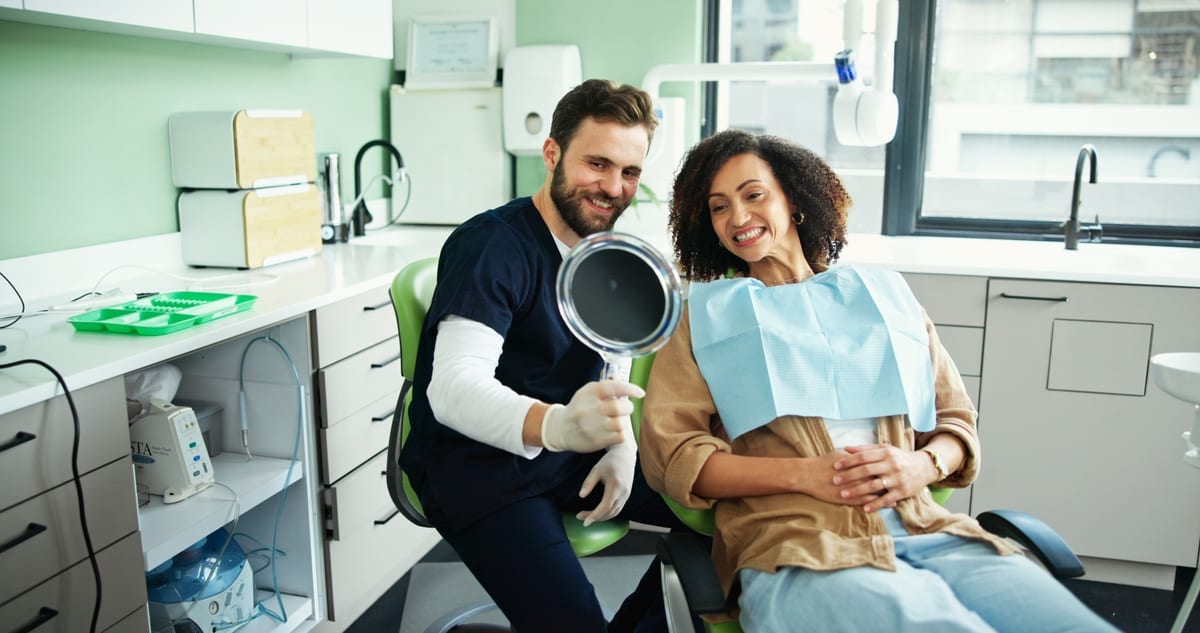
At Rugby Dental Arts, Dr. Naveen Chennupati and his team see anxious patients every single day. They know that fear is real, valid, and treatable. Modern dentistry has changed dramatically. Practices today use specific techniques designed to make every visit calmer and more comfortable.
Why Dental Anxiety Is So Common in Charlottesville and Beyond
Dental anxiety rarely appears out of nowhere. Most adults trace their fear to a painful experience in childhood. Others feel anxious about loss of control or the sounds of dental equipment. Some simply feel embarrassed about the condition of their teeth.
These feelings are completely understandable. The important thing to know is that dental professionals expect them. Charlottesville patients often tell Dr. Chennupati they waited years before scheduling an appointment. Fear kept them away. But avoiding care usually makes problems worse over time.
Common triggers for dental anxiety include:
- Fear of needles or injections
- Worry about pain during treatment
- Embarrassment about dental health
- Feeling trapped or out of control in the chair
- Negative past experiences with dental care
- Anxiety about unfamiliar sounds and smells
Recognizing your specific trigger is the first step. Once you name it, your dental team can address it directly. Modern practices are trained to meet each patient exactly where they are.
What Modern Practices Do Differently to Ease Patient Fear
The days of
Frequently Asked Questions
What technologies do modern dental practices use to make visits less uncomfortable?
Today’s dental offices employ advanced tools like digital imaging, intraoral cameras, and laser technology that reduce pain and treatment time compared to older methods. Many practices also use noise-reducing equipment and offer sedation options to help anxious patients feel more at ease during procedures.
How can I communicate my anxiety to my dentist before my appointment?
Most modern practices encourage patients to discuss their fears during the scheduling call or in a pre-visit form so the team can prepare accordingly. You can also speak directly with your dentist when you arrive to establish signals or breaks if you need them during treatment.
Do modern dental practices offer sedation options for nervous patients?
Yes, many contemporary dental offices provide options like nitrous oxide (laughing gas), oral sedation, or IV sedation to help anxious patients relax during procedures. Your dentist can discuss which option is best for your specific needs and comfort level.
What’s different about the dentist-patient experience in modern practices?
Modern practices prioritize patient comfort through gentler techniques, shorter appointment times, detailed explanations of procedures, and a calming office environment. Many dentists also use a slower, more careful approach during treatment and allow patients more control over their experience.
How often should I visit the dentist if I’m anxious about dental care?
Regular six-month check-ups are still recommended for most people, as preventive care helps avoid more complex procedures that might increase anxiety. Starting with shorter, less invasive visits can help you build confidence and make future appointments feel less intimidating.