
$99 Limited Emergencies Exam*
*For uninsured New Patients only
Veneers vs. Bonding: Which Actually Lasts Longer and Costs Less
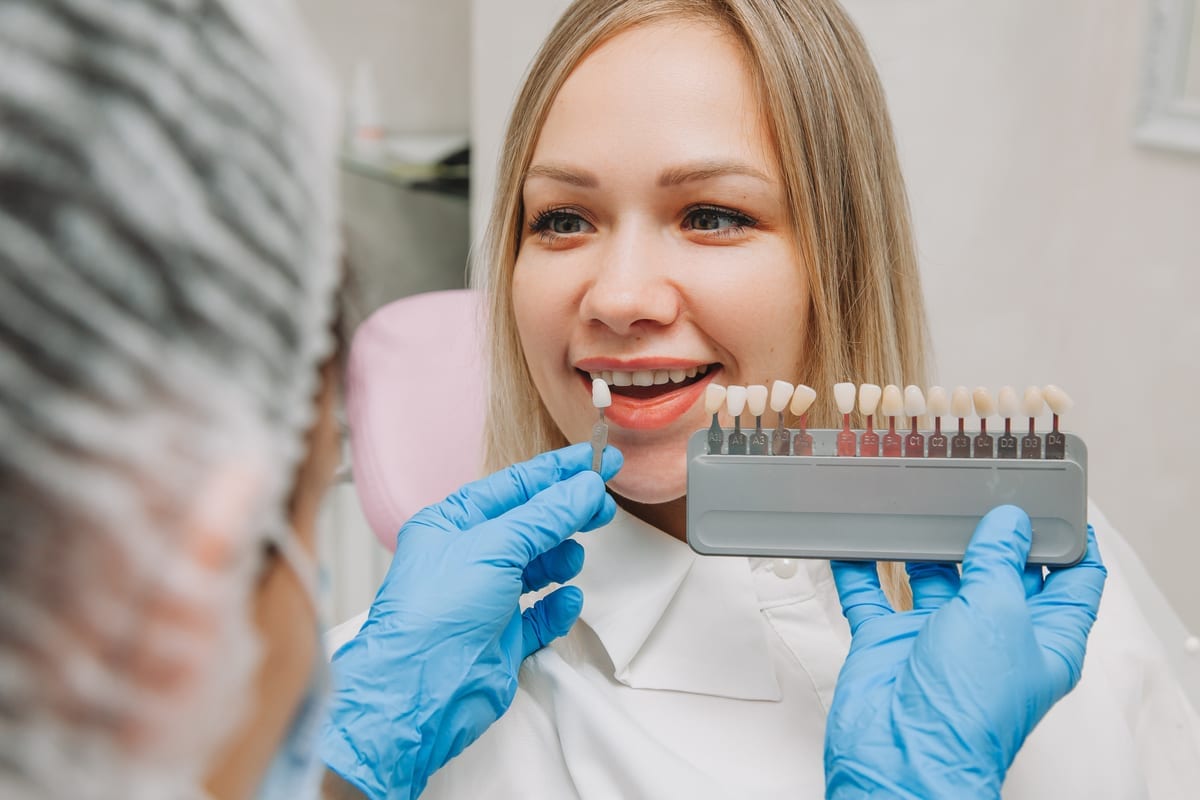
If you are considering a smile makeover, you have likely wondered about veneers vs. bonding — which actually lasts longer and costs less in Charlottesville. Both treatments can transform chipped, stained, or uneven teeth. But they work very differently and suit different needs. Understanding the key differences helps you make a confident, well-informed decision.
At Rugby Dental Arts, Dr. Naveen Chennupati helps Charlottesville patients choose the right cosmetic option every day. This guide breaks down both treatments honestly — no pressure, just facts.
What Are Veneers and What Is Dental Bonding?
Veneers are thin porcelain or composite shells bonded permanently to the front of your teeth. They are custom-crafted in a dental lab to match your desired shape and shade. Placing veneers typically requires removing a small amount of enamel first. That makes the process irreversible.
Dental bonding uses tooth-colored composite resin applied directly to the tooth surface. Your dentist sculpts it by hand and hardens it with a special curing light. Bonding requires little to no enamel removal. It is a quicker, more conservative option for many patients.
Both treatments fall under Cosmetic Dentistry Charlottesville services. Knowing which one fits your situation starts with understanding how they compare on four key factors.
Veneers vs. Bonding: Which Lasts Longer in Charlottesville?
Longevity is one of the biggest differences between these two treatments. Porcelain veneers typically last 10 to 20 years with proper care. They resist staining well and hold their shape over time. Many patients find them a worthwhile long-term investment.
Dental bonding generally lasts 5 to 10 years before needing repair or replacement. The composite resin is more porous than porcelain. It can chip, stain, or wear down faster — especially in high-bite areas. Regular touch-ups may be needed over time.
Here is a quick longevity comparison:
- Porcelain veneers: 10–20 years average lifespan
- Composite veneers: 5–10 years average lifespan
- Dental bonding: 5–10 years, depending on location and habits
- Key factor: Grinding teeth significantly shortens both treatments
- Maintenance: Veneers require less frequent repair over the long term
If you want a longer-lasting result with fewer touch-ups, porcelain veneers have the advantage. But bonding’s shorter lifespan does not make it a bad choice — it makes it a great starting point.
Which Costs Less: Veneers or Bonding in Charlottesville?
Upfront, dental bonding is significantly more affordable than porcelain veneers. Bonding can cost a few hundred dollars per tooth. Veneers typically range from $900 to $2,500 per tooth, depending on the material and complexity. That is a major price difference for patients on a budget.
However, long-term costs tell a different story. Bonding may need replacement or repair every few years. Those repeated costs add up over a decade. Veneers cost more initially but may require less maintenance in the long run.
Here is how the cost comparison breaks down:
- Dental bonding: Lower upfront cost per tooth
- Porcelain veneers: Higher upfront cost, but longer lasting
- Composite veneers: Middle ground — more affordable than porcelain
- Total cost over 15 years: Veneers may actually cost less overall
- Best for budget-conscious patients: Bonding for minor fixes
The right choice depends on how many teeth you are treating and your long-term goals. Dr. Chennupati can walk you through realistic cost expectations at your consultation.
Invasiveness and Recovery: What to Expect From Each Treatment
One major advantage of bonding is how non-invasive it is. Your dentist applies composite resin directly to clean tooth enamel. In most cases, no drilling or numbing is required. The entire process often takes just 30 to 60 minutes per tooth.
Veneers require some enamel removal before placement. This step is irreversible, which is an important consideration. Your dentist takes impressions and sends them to a dental lab. You may wear temporary veneers while waiting one to two weeks for the permanent ones.
Bonding is completed in a single appointment with no recovery time. Veneers require at least two visits and minor sensitivity afterward. Neither treatment is painful when handled by an experienced provider. Both restore your smile without major surgery or downtime.
If a dental emergency damages a bonded tooth or veneer, contact our team promptly. We offer Emergency Dentistry Charlottesville services to repair or protect your smile quickly.
How to Choose the Right Option for Your Smile Goals
Choosing between veneers and bonding comes down to your specific concern. Bonding works well for small chips, minor gaps, and isolated discoloration. It is ideal when you want a quick, affordable fix with minimal commitment. It is also a good option for younger patients whose smiles are still changing.
Veneers are better suited for more extensive cosmetic concerns. If you want to change the shape, size, or color of multiple teeth, veneers deliver a more uniform result. They are also the stronger choice for long-term smile transformations. Patients who invest in a complete smile makeover often prefer porcelain.
Ask yourself these questions before deciding:
- Do you want to fix one tooth or multiple teeth?
- Is your main concern chipping, staining, or shape?
- Are you comfortable with an irreversible procedure?
- Do you want a low-maintenance solution long term?
- What is your timeline and budget for treatment?
There is no universally correct answer. The best treatment is the one that matches your goals, budget, and dental health. A thorough consultation with Dr. Chennupati gives you a personalized recommendation based on your unique situation.
Making the Decision With Expert Guidance in Charlottesville
Both veneers and dental bonding can deliver beautiful, natural-looking results. The decision does not have to be stressful or confusing. With the right guidance, you can feel completely confident in your choice. Dr. Chennupati and the team at Rugby Dental Arts are here to help every step of the way.
Whether you want a quick cosmetic refresh or a long-lasting full smile transformation, Charlottesville patients have excellent options close to home. We take time to explain every detail before you commit to anything. Our goal is to educate you, not pressure you.
Ready to explore what is possible for your smile? Book Now to schedule your appointment with our team.
Frequently Asked Questions
Is dental bonding a permanent treatment?
Dental bonding is not permanent. It typically lasts 5 to 10 years before needing repair or replacement. Bonding can chip or stain over time, especially with habits like nail-biting or drinking dark beverages. Regular dental checkups help monitor the condition of bonded teeth.
Are veneers painful to get?
Most patients experience little to no discomfort during the veneer process. Local anesthesia is used during enamel preparation if needed. Some patients notice mild tooth sensitivity for a few days after placement. This sensitivity usually fades quickly on its own.
Can bonding fix the same problems as veneers?
Bonding and veneers both address chips, cracks, gaps, and discoloration. However, veneers generally provide a more durable and uniform result for multiple teeth. Bonding is best suited to minor cosmetic corrections on isolated teeth. For major smile transformations, veneers are typically the stronger choice.
How do I care for veneers or bonded teeth?
Both treatments respond well to standard oral hygiene practices. Brush twice daily with a non-abrasive toothpaste and floss regularly. Avoid biting hard objects like ice or fingernails to prevent chipping. Schedule routine cleanings every six months to keep your smile in top shape.
Which treatment is better for a natural-looking smile?
Both veneers and bonding can look completely natural when placed by a skilled dentist. Porcelain veneers mimic the light-reflecting properties of real tooth enamel very closely. Composite bonding can also achieve excellent natural results, especially for minor repairs. Dr. Chennupati customizes both treatments to blend seamlessly with your surrounding teeth.